
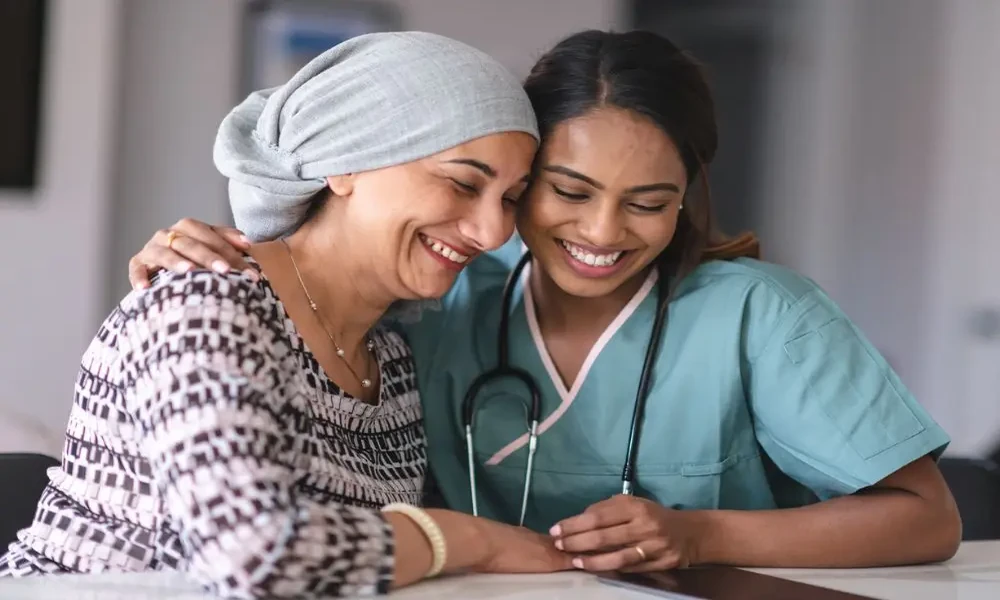
A cancer diagnosis rarely arrives with a single, simple path forward. Most patients and their families end up weighing surgery, chemotherapy, radiation, and a growing list of supportive options, often while trying to make sense of unfamiliar medical terms under time pressure. This is where integrative cancer care has become a meaningful part of the conversation. Rather than replacing standard oncology, it works alongside it, addressing the physical, emotional, and immune-related toll that cancer and its treatment can take on the body.
What Is Integrative Cancer Care?
Integrative cancer care brings together conventional oncology, surgery, chemotherapy, radiation, targeted therapy with supportive and complementary approaches aimed at strengthening the patient as a whole, not just targeting the tumour. The goal isn’t to substitute proven medical treatment. It’s to reduce side effects, support the immune system, and help patients stay strong enough to complete their prescribed treatment plan.
This approach has gained traction globally as oncologists increasingly recognise that how a patient tolerates treatment often shapes the outcome as much as the treatment itself. Fatigue, appetite loss, and immune suppression can force delays or dose reductions in chemotherapy, which is why supportive strategies are no longer viewed as optional extras.
Where Complementary and Alternative Medicine (CAM) Fits In
Complementary and Alternative Medicine, often shortened to CAM, covers a broad set of practices used alongside mainstream treatment nutritional support, mind-body techniques, and immune-modulating therapies among them. In India, this space has matured considerably over the past two decades, with structured, research-informed programs replacing the informal remedies patients once turned to out of desperation.
One such approach is cancer healer therapy (CAM), which focuses on training the body’s own immune response to recognise and act against abnormal cells, while aiming to minimise the collateral damage to healthy tissue that conventional treatments can cause. Patients exploring this route typically do so in consultation with their treating oncologist, using it to support – not replace – their existing care plan.
Why Immunotherapy Is Central to Integrative Oncology
Immunotherapy for cancer treatment has reshaped how clinicians think about fighting the disease. Instead of directly attacking cancer cells the way chemotherapy or radiation does, immunotherapy works by helping the immune system identify and respond to malignant cells more effectively. This shift in approach is significant because it opens the door to treatment strategies with a different side-effect profile than traditional cytotoxic therapies.
For patients dealing with hair loss, nausea, weakness, or compromised immunity during chemotherapy, immune-supportive approaches can offer a measure of relief while their bodies continue fighting the underlying disease. It’s worth noting that outcomes vary by cancer type, stage, and individual health status, so any immunotherapy-based approach should be discussed thoroughly with a qualified oncology team before starting.
The Practical Benefits Patients Look For
When patients and caregivers consider integrative options, a few priorities tend to come up again and again:
Managing Side Effects Without Compromising Treatment
Supportive therapies aimed at easing nausea, fatigue, and appetite loss can help patients stay on schedule with chemotherapy or radiation, rather than needing dose delays that can affect treatment efficacy.
Supporting Immune Function
A body under sustained treatment stress needs its immune system working, not weakened further. Integrative approaches that focus on immune modulation aim to keep that system as resilient as possible throughout the treatment journey.
Improving Day-to-Day Quality of Life
Beyond survival statistics, patients care about being able to eat, sleep, and function with some normalcy. Integrative care puts real weight behind this, treating quality of life as a legitimate clinical goal rather than an afterthought.
What to Look for When Choosing Integrative Support in India
Cancer treatment in India has expanded rapidly, with tertiary hospitals, specialty cancer centres, and integrative clinics now operating across most major cities. For patients evaluating their options, a few questions are worth asking before committing to any complementary program:
- Does the clinic coordinate with your existing oncologist, or does it operate in isolation?
- Is there a clear explanation of how the therapy is expected to work, backed by more than anecdotal claims?
- Are realistic expectations set, rather than promises of guaranteed outcomes?
Reputable centres in this space are transparent about what integrative approaches can and cannot do, and they encourage patients to keep their primary oncology team informed at every step. Organisations such as Cancer Healer Center have built their practice around this coordinated model, working with patients across multiple cities in India to support conventional treatment through immune-focused, side-effect-conscious care.
A Team-Based Approach Matters
No single therapy, conventional or complementary, works in isolation for something as complex as cancer. The strongest outcomes tend to come from teams that communicate with oncologists, nutritionists, and integrative practitioners aligned around one patient’s specific case. Patients considering this path should look for providers who welcome collaboration with their existing medical team rather than positioning themselves as a replacement for it.
If you’re weighing your options and want to understand how an integrative approach might fit alongside your current treatment plan, it helps to speak with a team experienced in coordinating both. You can reach out for cancer treatment in India to discuss your specific case and get a clearer picture of what integrative support could look like for you.
FAQs
Is integrative cancer care a replacement for chemotherapy or surgery?
No. Integrative cancer care is designed to work alongside conventional treatments like chemotherapy, surgery, and radiation, not replace them. It focuses on supporting the body and easing side effects while standard treatment continues.
What does cancer healer therapy (CAM) actually involve?
It typically involves immune-modulating approaches intended to help the body recognise and respond to abnormal cells, alongside supportive care aimed at preserving quality of life. It’s generally used as a complement to, not a substitute for, prescribed oncology treatment.
How is immunotherapy different from chemotherapy?
Chemotherapy works by directly attacking rapidly dividing cells, which affects healthy cells too. Immunotherapy instead aims to train or support the immune system to identify and respond to cancer cells, which can result in a different side-effect profile.
Should I tell my oncologist if I’m considering integrative treatment?
Yes, always. Any complementary approach should be discussed openly with your treating oncologist to avoid interactions with your current treatment and to ensure everyone involved in your care is working from the same information.
How do I find a credible integrative cancer care provider in India?
Look for providers who coordinate with your existing medical team, explain their methods clearly, and avoid making guaranteed-outcome claims. Ask about their experience with your specific cancer type before starting any program.