
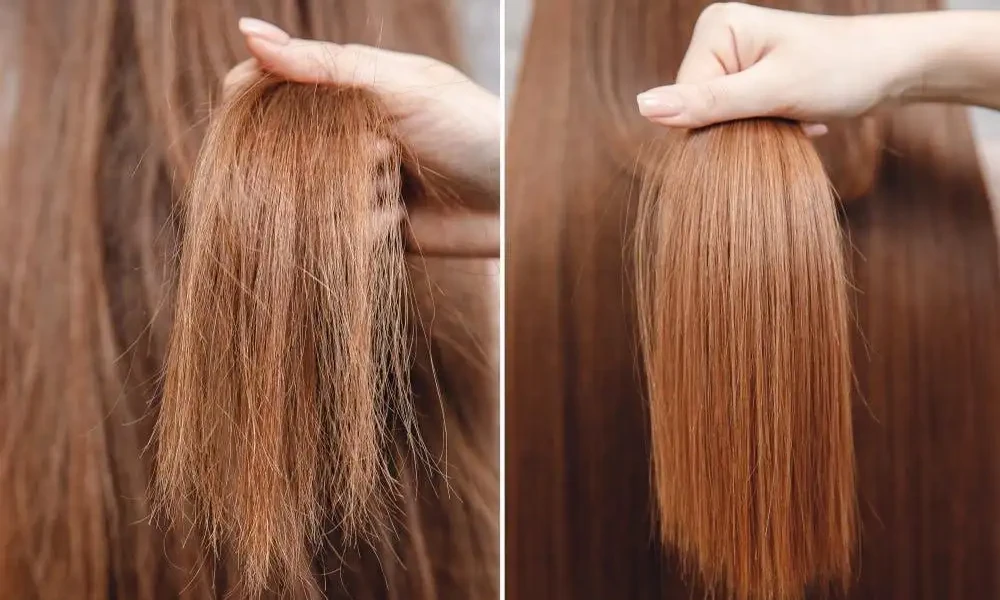
Frizz is ruthless. It ignores whether your hair is sleek and jet-black or luminous platinum, only pausing to torment those who haven’t found the perfect antidote. Yet, choosing a frizz control treatment is more nuanced than just picking any bottle off the shelf, hair color plays a pivotal role in what will actually work for you.
Understanding Hair Color Levels and Their Impact on Frizz Treatments
Hair color depth isn’t just about personal style. The level of lightness or darkness (from Level 1, deepest black, to Level 12, palest blonde) shapes how frizz control systems interact with your hair’s undertones and overall health. Lighter hair, especially if it has been bleached, is more susceptible to unwanted yellow or brassy tints. Darker hair faces different challenges, like color fading from harsh treatments or losing shine.
What Hair Color Levels Mean for Treatment Choices
Most frizz control treatments are formulated for “average” hair, but average doesn’t exist. The ideal treatment for a natural brunette may cause color shifts or dullness on a platinum blonde. This is why many salons now use systems that adjust pigment content to suit each shade.
Case Study: Choosing the Right Treatment for Dark vs. Light Hair
Consider a client with richly colored hair at Level 3 (deep brown) and another at Level 10 (lightest blonde). The brunette can typically use a treatment containing purple pigments without risk, as it will neutralize any red or orange undertones. The blonde, however, needs a more delicate touch, too much pigment could lead to an ashy cast or unexpected hues.
Decoding Treatment Formulas: Purple vs. White Systems
There’s more to frizz management than smoothing serums and wishful thinking. Products like the ProAddiction frizz control treatment come with purple and white options for a reason: pigment matters.
How Purple Pigments Neutralize Unwanted Tones
The purple formula is a lifesaver for anyone battling brassiness. It deposits subtle, cool pigments that counteract yellow and orange, keeping light hair fresh and icy rather than dull and yellowed.
When and Why to Mix Purple and White Treatments
For hair color levels 9-12, experts recommend mixing purple with up to 30% white treatment. This dilutes the purple pigment, avoiding over-toning while still delivering frizz control. Using white alone is not suggested, as it provides no pigment correction and can risk unwanted color changes.
Case Study: Avoiding Brassiness in Color-Treated Hair
A salon finds that clients with freshly bleached highlights see the best results when their stylist custom-blends the purple and white treatments. This careful approach preserves brilliance without causing overcorrection.
Matching Treatment to Hair Needs: Customizing for Texture and Color
Not all frizz is created equal. Hair texture, from kinky coils to beachy waves, dictates how much smoothing power you need and how resilient your hair is to chemical adjustments.
Assessing Hair Condition Before Treatment
Before starting any smoothing process, assess for dryness, previous color processing, and strand strength. Fragile, high-lift blondes may need protein-rich masks beforehand, while healthier, darker hair can often handle more intensive products.
Importance of Client Consultation and Setting Expectations
A thorough consultation ensures expectations are realistic. Some clients crave glass-like straightness, while others want to keep their natural curl pattern, just frizz-free.
The Science Behind Frizz Control Treatments Without Formaldehyde
Safe, effective smoothing now relies on protein restructuring rather than harsh chemicals. Treatments like ProAddiction work internally to realign the bonds in your hair, so the effects last without the risks associated with formaldehyde.
How Protein-Based Products Restructure Hair Internally
These formulas gently modify the hair’s internal structure, delivering smoothness and manageability that remains even as hair grows out. Most users experience a permanent shift in texture with only occasional touch-ups.
Step-by-Step Application and Aftercare Protocols
Success is rooted in process. Start with a clarifying shampoo to remove buildup, then work in small sections to ensure even coverage. During the heat process, thin partings and steady passes with the flat iron at 450°F make the difference between silky smooth and just “meh” results. After smoothing, a pH-balancing shampoo and hydrating mask are crucial to lock in results and prevent dryness.
Color Processing and Treatment Timing: What Comes First?
Sequence matters. Always complete highlights or bleaching before the smoothing treatment, never after; otherwise, color might not take evenly or could be damaged. Dyeing should happen post-treatment for optimal color retention and shine.
Lifestyle Factors Affecting Treatment Longevity
Even the best treatment needs care. Swimming in saltwater or chlorinated pools can open hair cuticles and lead to frizz relapse. A hydrating mask after every swim helps seal in moisture and preserve results.
Addressing Common Concerns and FAQs Through Client Experiences
Clients often wonder about safety, especially for those who are pregnant or have sensitive skin. While the formulas are non-toxic, it’s smart to consult with a physician before use. If results are not perfect, troubleshoot by considering section thickness, heat speed, or product mixing ratios.
Frizz solutions are never one-size-fits-all. By considering your unique hair color, texture, and lifestyle, you can unlock smoother, stronger, and more vibrant hair, no matter what the humidity decides to throw your way.