
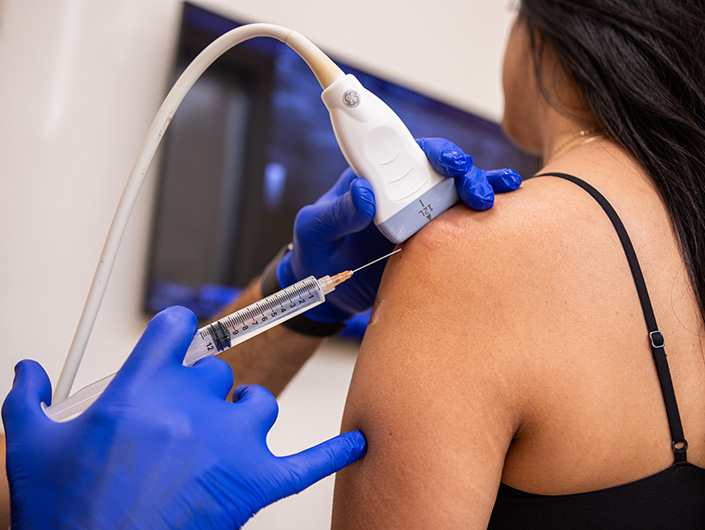
Regenerative medicine has opened the door to a new class of therapies aimed at healing the body from within. Among the most popular and promising techniques are regenerative injections a term that typically includes treatments like platelet-rich plasma (PRP) therapy, stem cell injections, and prolotherapy. These injections are widely used to treat orthopedic injuries, chronic pain, and even cosmetic concerns. While the potential benefits are impressive, it’s essential to understand the possible side effects associated with these treatments.
What Are Regenerative Injections?
Regenerative injections are designed to stimulate the body’s natural healing process by introducing biologically active substances directly into injured or damaged tissue. Common types include:
- PRP (Platelet-Rich Plasma): A concentration of platelets from the patient’s own blood, rich in growth factors.
- Stem Cell Therapy: Uses adult stem cells, often harvested from fat tissue or bone marrow, to promote regeneration of damaged cells.
- Prolotherapy: Involves injecting an irritant solution (usually dextrose) to trigger inflammation and encourage natural tissue repair.
These treatments are gaining popularity for managing joint pain, ligament injuries, arthritis, hair loss, and even facial rejuvenation.
Common Side Effects
While regenerative injections are considered minimally invasive and generally safe, they are not without risks. Here are some of the most commonly reported side effects:
1. Pain and Discomfort at the Injection Site
Temporary pain or soreness is normal after the procedure. This happens because the treatment intentionally triggers a mild inflammatory response to activate healing. It may last a few hours to a couple of days.
2. Swelling and Redness
Mild swelling and redness around the injection area is common, particularly with PRP or prolotherapy. This inflammation is part of the healing cascade but can be uncomfortable for some patients.
3. Bruising
Since regenerative therapies involve injections into soft tissue, bruising may occur, especially in areas with many blood vessels. It typically resolves within a few days.
4. Stiffness or Reduced Range of Motion
In joint-related treatments, patients may experience stiffness or reduced mobility for a short period post-injection. This is usually temporary and resolves as the tissue begins to heal.
Less Common but Notable Side Effects
While rare, the following side effects may occur in some individuals:
1. Infection
Though sterile techniques are used, any time a needle enters the body, there’s a slight risk of infection. Signs include increased pain, fever, warmth, or pus at the site. Immediate medical attention is required if these symptoms appear.
2. Allergic Reactions
Though uncommon, allergic reactions can occur, especially if any additives are used in prolotherapy or if the patient has a sensitivity to components in the preparation process. PRP and autologous stem cell injections (using your own cells) generally have very low risk for this.
3. Nerve Damage or Vascular Injury
Improper technique or inaccurate injection placement can potentially harm nerves or blood vessels. This risk is minimized when treatments are performed by trained professionals using image guidance like ultrasound or fluoroscopy.
4. Worsening of Symptoms
In rare cases, the injection may aggravate symptoms temporarily, particularly in sensitive joints or damaged tissues. This usually subsides with time but should be monitored.
Are Regenerative Injections Safe for Everyone?
Most healthy adults can safely undergo regenerative injections, especially when using their own blood or cells. However, some individuals may not be ideal candidates, including those who:
- Have active infections
- Are pregnant or breastfeeding
- Take blood thinners or immunosuppressive drugs
- Have autoimmune or blood-related disorders
A thorough consultation and medical history review are essential before proceeding with treatment.
Managing and Minimizing Side Effects
Here are a few tips to reduce your chances of complications:
- Choose a qualified, experienced provider
- Follow all pre- and post-procedure instructions
- Rest the treated area as recommended
- Avoid anti-inflammatory medications like ibuprofen unless instructed—these may counteract the desired healing response
Final Thoughts
Regenerative injections offer exciting possibilities for healing and anti-aging, but like any medical treatment, they come with risks. The good news is that most side effects are mild and short-lived, especially when the procedure is performed by a skilled healthcare professional. If you’re considering regenerative therapy, an informed discussion with your provider can help you weigh the benefits against the potential downsides—and make the best decision for your health and wellness journey.