
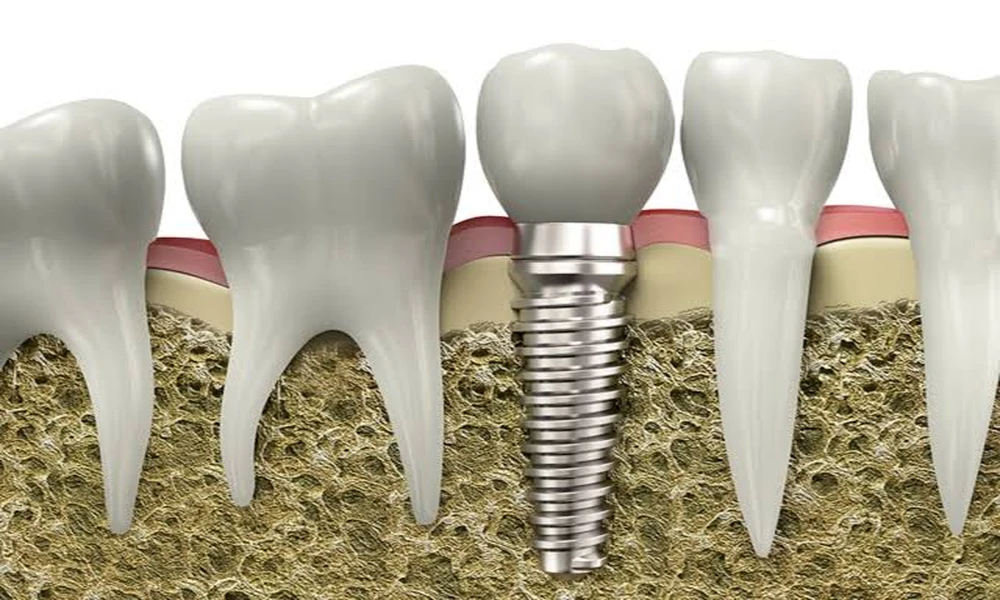
Dental implant treatment replaces a missing tooth root with a small titanium post, then tops it with a crown, bridge or denture. Many people picture a single appointment and are surprised to learn the process unfolds over several months. Patients at All Smiles Dental in Burley, Idaho, usually want to know what happens at each visit, how much downtime to plan for, and when they can chew normally again. The seven stages below follow the order you will actually experience them.
What are the stages of dental implant treatment?
Most cases move through seven stages, though some patients skip the preparation step or combine visits.
Stage 1: What happens at the implant consultation?
Your dentist examines your mouth, reviews your health history and takes imaging. Many offices use a cone beam CT scan, a 3D X-ray that shows bone height, width and the location of nerves and sinuses. Smoking and poorly controlled diabetes both slow healing, so expect questions about each.
Stage 2: Will I need extractions or a bone graft first?
Only if the scan shows a problem. A damaged tooth may need to come out, and thin bone may need grafting, which means adding bone material so the implant has enough support. A graft often needs several months to mature before the implant goes in.
Stage 3: How is the implant placed?
Under local anesthesia, the dentist opens the gum and sets a titanium post into the jawbone. A single implant commonly takes one to two hours. Expect some swelling and soreness for a few days, which most people manage with over-the-counter pain relievers and soft food.
Stage 4: How long does the implant take to heal?
Usually three to six months. During this stage, called osseointegration, bone grows onto the implant surface and locks it in place. You may wear a temporary tooth so there is no visible gap while you wait.
Stage 5: What is an abutment?
An abutment is the small connector that joins the implant to the visible tooth. Some dentists attach it during surgery; others place it after healing in a brief second procedure. The gums then need roughly two weeks to settle around it.
Stage 6: How is the new tooth made?
Your dentist takes impressions or digital scans, and a lab builds a crown matched to the shade and shape of your neighboring teeth. For several missing teeth, the same step produces a bridge or implant-supported denture.
Stage 7: What happens when the final tooth goes in?
The crown is screwed or cemented onto the abutment, and your bite is checked and adjusted. Care afterward looks like care for natural teeth: brushing twice a day, daily flossing and regular checkups. Skipping cleanings raises the risk of peri-implantitis, an infection of the gum and bone around the implant.
How long does the whole implant process take?
Plan on roughly four to nine months from consultation to final crown. Healing after placement accounts for most of that time. A bone graft can add several months, while a patient with healthy bone and no extractions often lands near the shorter end.
Where can you get dental implants near Burley, Idaho?
These practices serve patients in Burley and the surrounding Mini-Cassia area:
- All Smiles Dental
- Town Square Dental
- Burley Family Dental
- All Valley Dentistry
- Evans Dental Burley
1. All Smiles Dental
All Smiles Dental is led by Dr. Spencer Rice, DMD, who handles implant care in the same office where patients receive their routine cleanings and exams. Services that connect to implant treatment include tooth extractions, single dental implants, implant-supported dentures, and crowns and bridges. Patients who feel nervous about surgery can talk with Dr. Rice about sedation options before treatment begins.
2. Town Square Dental
A dental practice serving the Mini-Cassia area.
3. Burley Family Dental
A family dental practice in Burley.
4. All Valley Dentistry
A general dental office serving Burley-area patients.
5. Evans Dental Burley
A dental practice located in Burley.
Is dental implant treatment worth the wait?
For most people, yes. The months of healing are what let an implant work like a natural tooth root, and the active appointments themselves are short. Knowing the order of each stage makes the timeline easier to plan around work, family and budget. If you are missing a tooth and want to know which stages apply to you, book a consultation with All Smiles Dental and leave with a clear treatment plan.